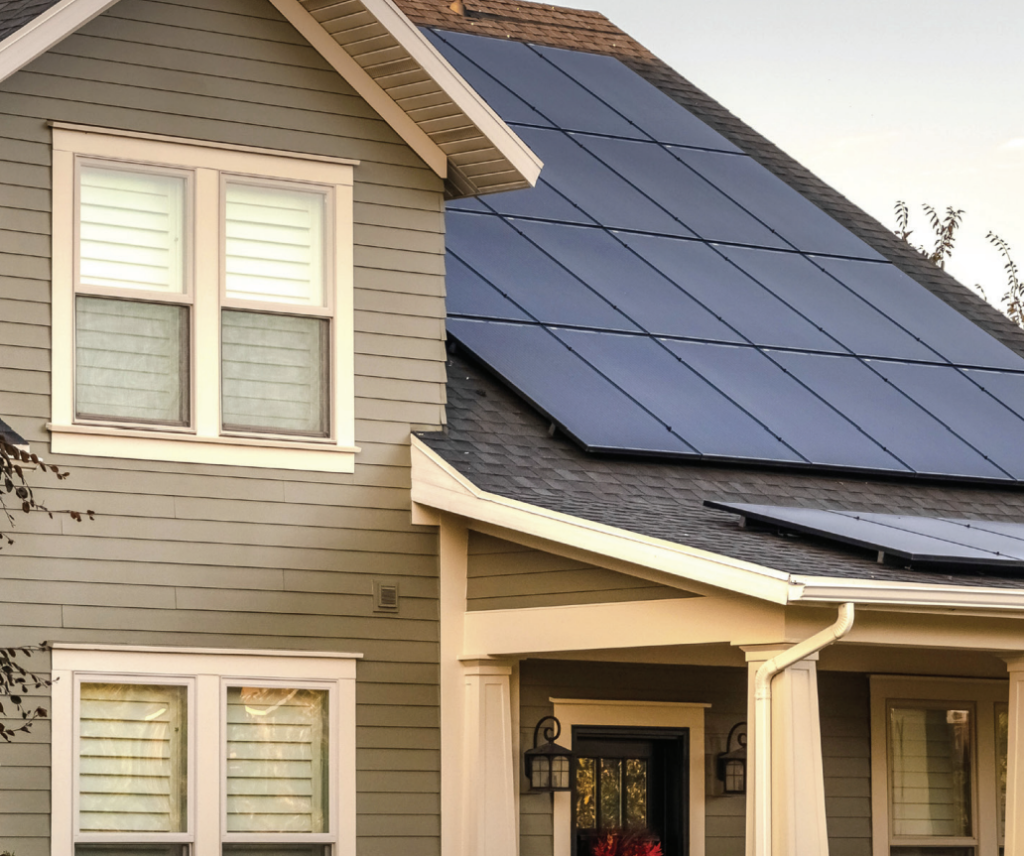
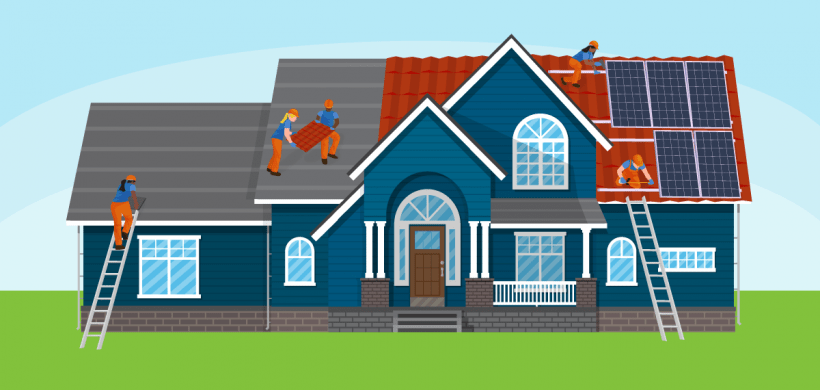
If you are looking to install solar onto your home or business but feel overwhelmed at the number of installer options available to you, TXSES is here to help. We’ve put together a list of the top ten factors to consider when making the decision on which installer to go with.
The U.S. Department of the Treasury has issued guidance on how to qualify for their Advanced Energy Project Credit and Low-Income Communities Bonus Credit Program. More information can be found here.
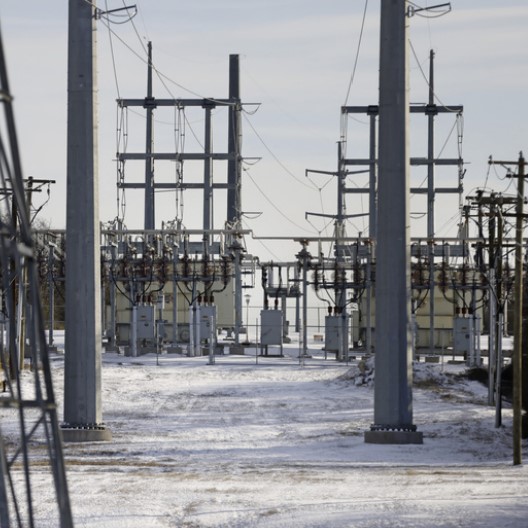
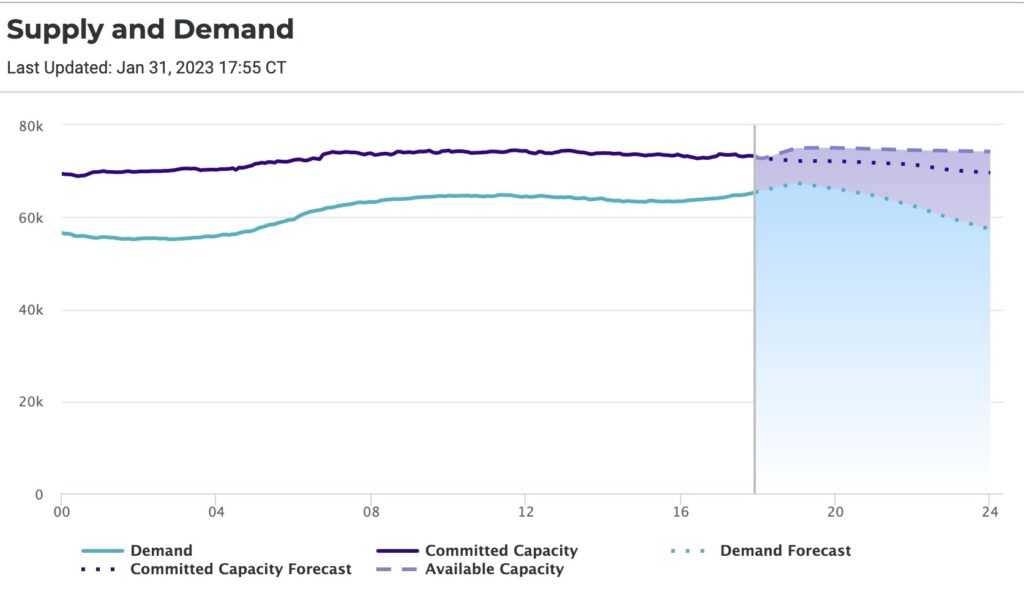
Want to know how the grid is doing under current conditions? ERCOT’s live snapshots show the timestamp when the information was last updated. Click the Full View link on a dashboard for an expanded display.
“Solar is my favorite thing to talk about,” says former TXSES board Chair Micah Jasuta. “I’ve worked on multiple sides of the solar industry, from advocacy to design, sales and installation,” he said. Jasuta explains the ABC’s of solar including how to choose a solar installer. If you’ve been thinking about going solar, Jasuta lays it out for you. Watch the video.
In December 2020, Congress passed an extension of the Investment Tax Credit (ITC), which provides a 26% tax credit for systems installed in 2020-2022, and 22% for systems installed in 2023. (Systems installed before December 31, 2019 were eligible for a 30% tax credit.) The tax credit expires starting in 2024 unless Congress renews it. Learn more. Spanish web page: Conocedor de Energía Solar. Read More.
What is photovoltaic (PV) technology and how does it work? In this short video from the U.S. Department of Energy, learn how PV materials and devices convert sunlight into electrical energy. Watch the video.
Find renewables and efficiency policies and incentives with DSIRE, the most comprehensive source of information on incentives and policies that support renewables and energy efficiency in the United States. Established in 1995, DSIRE is operated by the N.C. Clean Energy Technology Center at N.C. State University and receives support from Energy Sage.
A U.S. Department of Energy initiative led by the Solar Energy Technologies Office, in collaboration with the National Renewable Energy Laboratory and Lawrence Berkeley National Laboratory, NCSP is a coalition of community solar stakeholders working to expand access to affordable community solar to every American household and enable communities to realize other benefits, such as increased resilience and workforce development. More.
Need to know just how much solar capacity your home or business would support? The Department of Energy has a list of resources and tools available for your use. Click the link to find out more.
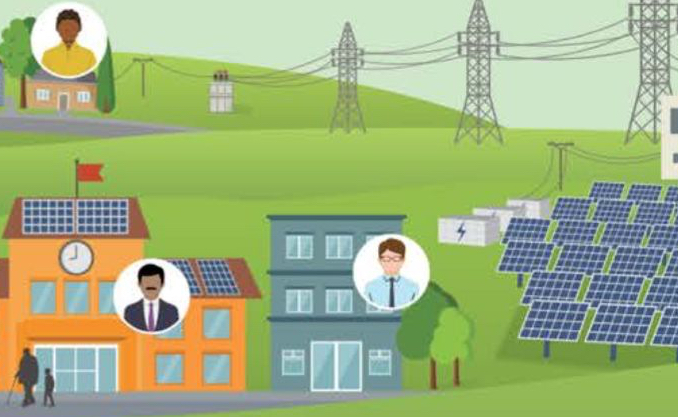
Community solar projects are installations of solar panels which benefit not just one individual, but a number of individuals and/or businesses. The Department of Energy has compiled some handy information to help you understand, and start, your own community solar project.