
by Elle Nicholson, TXSES Researcher
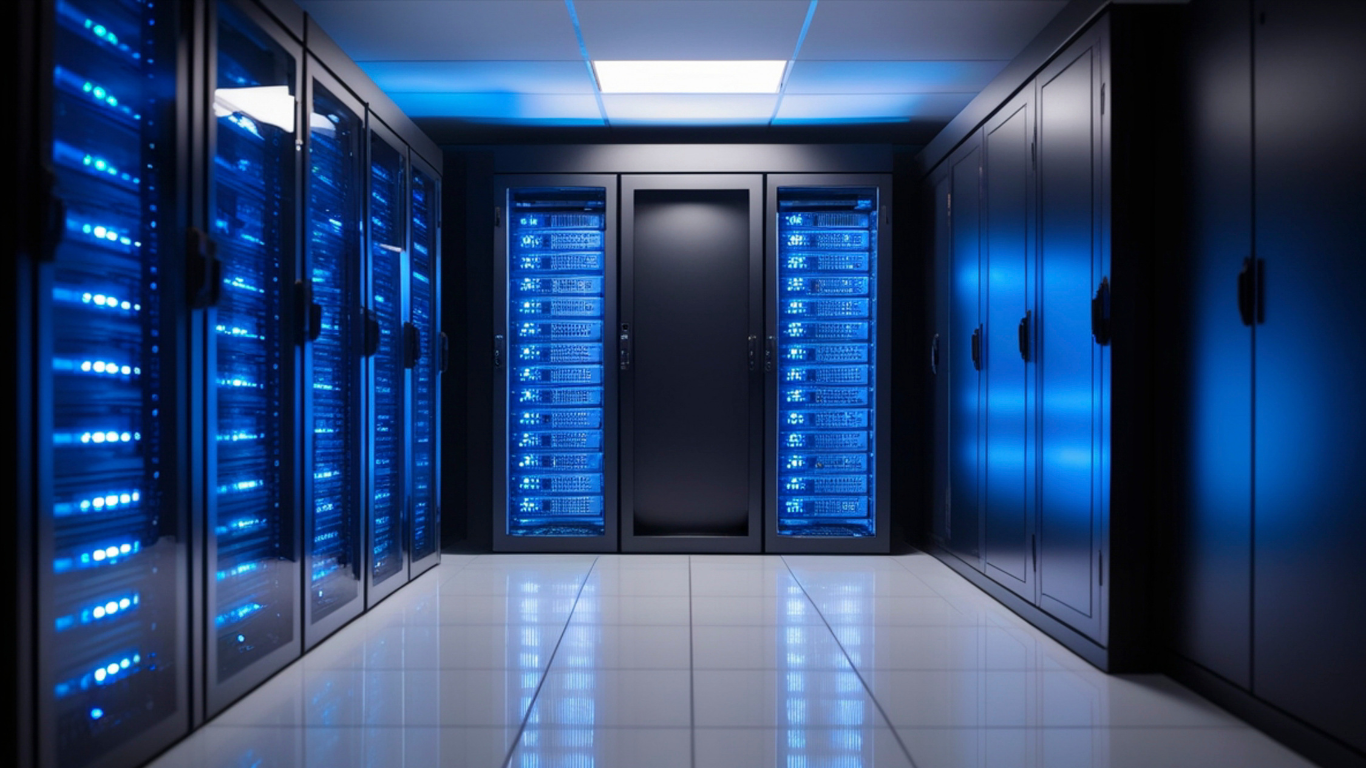
The rapid expansion of artificial intelligence over the past few years has often been described as the “golden age” of AI. Companies have been racing to innovate, using AI to cut costs and improve efficiency. This surge in AI usage, along with an ever-growing interest in cryptocurrencies, has accelerated construction of new large-scale data centers across the country. As of November 2025, there were 4,165 data centers located in the US, dominating the rest of the world’s numbers. Texas was home to 413 of these—the second-most of any US state, after Virginia.
Data center developers see Texas as an ideal location for their projects due to the abundance of available land, proximity to technological hubs like Dallas-Fort Worth and Austin, and the current lack of regulation in the state. When announcing Google’s plan for a new data center in Texas, Governor Greg Abbott made it clear that he welcomes such development. He stated, “Texas is the epicenter of AI development, where companies can pair innovation while expanding energy… we must ensure that America remains at the forefront of the AI revolution, and Texas is the place where that can happen.” Thus, Texas will likely continue to be a magnet for data center developers.
Such development will increase energy demand, as data centers consume significant amounts of electricity. The Department of Energy forecasts that data centers will consume as much as 123 GW annually in 2028, which would amount to about 12% of total energy consumption in the US. In Texas, the Electric Reliability Council of Texas (ERCOT) 2025 forecast update projected that data centers’ energy demand will reach about 78 GW by 2030. This incredible growth is expected to create demand issues for the grid. ERCOT projects that such demand could exceed the available energy supply by 6.2% in 2026, and by as much as 32.4% by 2029. If data centers do not seek out power sources independently, they may soon lack sufficient electricity for operations or endanger the grid.
Data centers’ need for unconventional energy sources creates a major opportunity for the renewable energy industry. There are currently two ways in which data centers are turning to renewables to power their facilities. The more widespread option, as of now, is a power purchase agreement (PPA). In a PPA, a third-party supplier owns, operates, and manages an energy resource, and the purchaser buys the generated energy either for direct consumption or to offset its grid load. This can be a direct interaction between the generator and the data center tenant, or the data center developer can be involved as an intermediary. PPAs can exceed 100-200 MW of purchased power and can span 10-20 years, based on the extent of the purchaser’s needs. The agreements therefore offer a flexible way for data centers to meet their energy needs.
Data centers are some of the biggest PPA exponents and often deliberately purchase renewable energy to offset pollution and meet their environmental commitments. For example, Meta signed a PPA for the full output of a 600 MW solar farm near San Antonio to provide power for their Texas data centers’ operations. The further expansion of data centers into Texas will give rise to similar deals that can be very lucrative for large-scale wind and solar farms.
However, as large-scale PPAs can be complicated and expensive depending on the distance of a data center from the generation site, an alternative to PPAs is now gaining popularity. Some data centers are opting to build their own renewable sources onsite. Doing so ensures that electricity is produced where it is consumed, eliminating transmission costs and allowing for faster electricity deployment. While PPAs are more common so far, some data centers are exploring this alternative. Flux Core Data Systems is one such data center developer that is building projects in Texas, along with onsite solar and storage. The developer states that the benefits of choosing this path include predictable long-term energy costs, lower emissions, and off-grid performance. The potential of increased stability and performance is spurring interest in onsite generation, allowing solar + storage manufacturers and installers to fill this growing niche.
In summary, the market saturation of AI opens new opportunities for renewable development to meet data center energy demand. PPAs and onsite generation offer benefits that can suit data centers’ needs, depending on the priorities of the individual tenant. The renewable energy industry and AI industry can benefit each other this way and renewables companies can utilize the “golden age” of AI to stimulate industry growth and innovation.