
by Mario Bravo, Executive Director
TX EV Education Project
When most people think about electric vehicles (EVs), they think about cleaner transportation and lower fuel costs. But EVs may soon play another important role in Texas: helping keep the electric grid reliable, reducing electricity costs, and supporting more renewable energy.
At first glance, that might sound surprising. After all, EVs use electricity. Wouldn’t millions of electric cars put more strain on the grid?
The answer depends on how they are charged—and whether they can give power back when it’s needed.
Turning Cars into Energy Resources
Most vehicles spend about 95% of their time parked. During those hours, EV batteries represent a massive source of stored energy. New technology known as vehicle-to-grid (V2G) allows electricity to flow not only from the electric utility to a vehicle, but also from the vehicle back to the electric utility when needed.
Think of it like a community savings account. Instead of sitting unused, thousands of parked EVs could provide small amounts of electricity during periods of high demand. Individually, one vehicle might not make a huge difference. But together, hundreds of thousands of vehicles can become a powerful energy resource. There are already close to 500,000 electric vehicles registered in Texas today.
Helping Stabilize the Grid
Texas operates one of the largest and most unique electric grids in the United States. Demand for electricity can change rapidly, especially during extreme summer heat waves or winter weather events.
Traditionally, grid operators have relied on power plants to increase or decrease electricity production to keep supply and demand balanced. EVs equipped with V2G technology can provide another tool.
When electricity demand spikes, participating vehicles could temporarily send energy back to the grid. When demand is low, vehicles can recharge. This flexibility helps grid operators maintain stability and reduce the risk of shortages during critical periods.
Lowering Electricity Costs
Electricity prices often rise when demand is highest. During these periods, utilities and grid operators may need to bring expensive power plants online to meet demand.
Smart charging and V2G technology can help avoid these costly situations.
For example, EVs can automatically charge overnight when electricity is abundant and less expensive. Then, during peak demand periods, some vehicles could return a portion of that stored energy to the grid. By reducing stress on the system, V2G can lower the need for expensive peak-generation resources.
When managed thoughtfully through prices signals, electric vehicles provide additional electricity loads to the grid when it is underutilized. This can help spread out fixed infrastructure costs. That means that even if you choose to not drive an electric vehicle, if your neighbor does, that can help drive down your electricity costs.
Over time, a more flexible grid can help reduce overall electricity costs for consumers. EV owners may also have opportunities to earn compensation for participating in programs that support the grid.
Supporting More Renewable Energy
Texas leads the nation in wind power and is rapidly expanding solar generation. While renewable energy offers significant benefits, it also presents a challenge: the wind doesn’t always blow, and the sun doesn’t always shine.
Energy storage helps solve this problem.
EV batteries can act as a distributed network of storage resources. On sunny afternoons or windy nights when renewable generation is abundant, vehicles can charge using that low-cost clean energy. Later, when renewable production declines and electricity demand rises, some of that stored energy can be returned to the grid.
This ability to store and shift energy helps make renewable resources more useful and reliable, allowing Texas to integrate even larger amounts of wind and solar power.
The Road Ahead
Vehicle-to-grid technology is still emerging, and widespread adoption will take time. Utilities, automakers, charging companies, regulators, and consumers all have important roles to play. Infrastructure upgrades, market rules, and consumer incentives will help determine how quickly V2G becomes part of everyday life.
But the potential is significant. As more Texans switch to electric vehicles, those cars could become much more than transportation. They could serve as a flexible energy resource that strengthens grid reliability, lowers costs, and helps unlock the full potential of renewable energy.
In the future, your car may not just get you where you need to go—it may help power Texas along the way.
TX EV Education Project is a 501c3 nonprofit organization that seeks to accelerate the mass adoption of electric vehicles. With thoughtful implementation, we will help stabilize the electric grid, drive down electricity prices, achieve energy independence, and protect the US auto manufacturing industry.
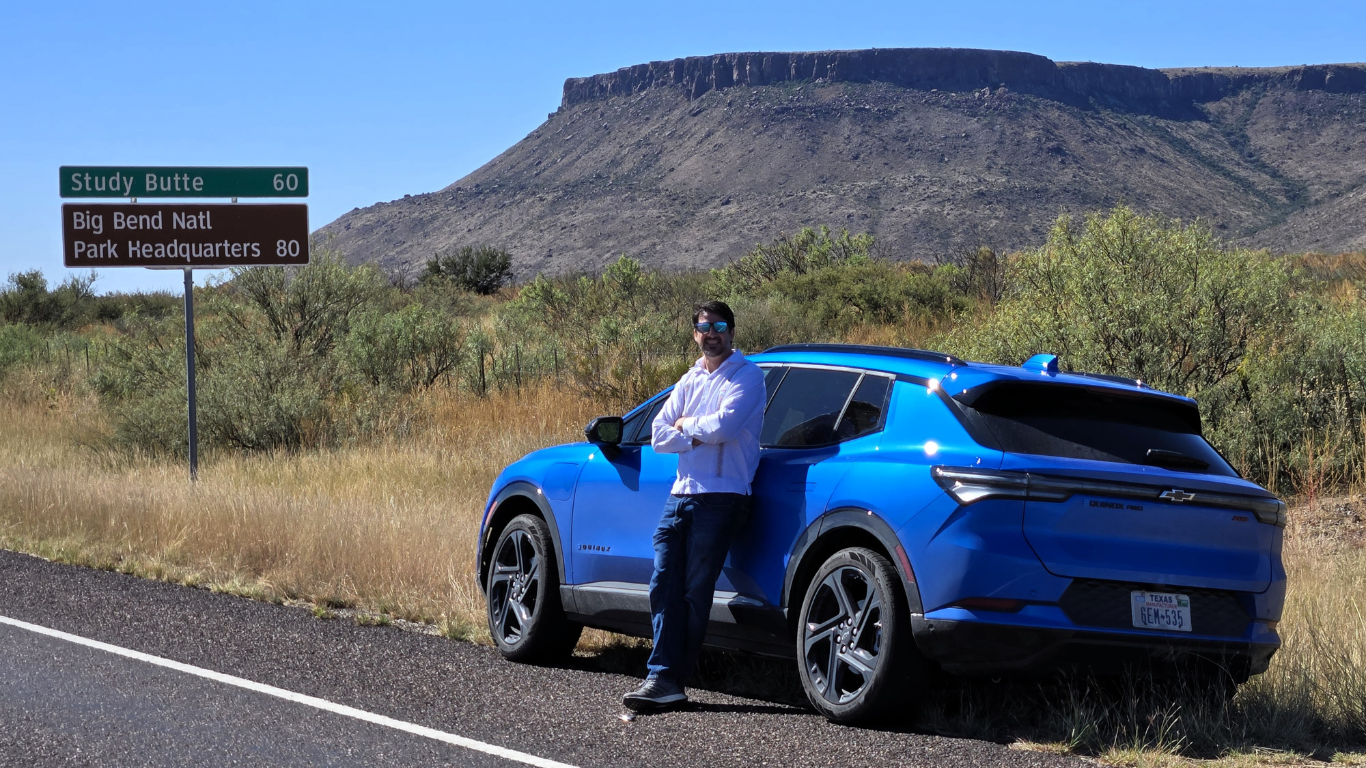
Image: Mario Bravo on TX EV’s Texas Border to Border electric vehicle road trip, which went from the Louisiana border to the Mexican border.