

By Patrice “Pete” Parsons, TXSES Executive Director
I hope you all have had a great summer. Although this summer has not been quite as hot as the last few, it’s still plenty darn hot and we have still been seeing a sharp pull on the Texas grid because of it. Despite the power drain caused by ACs running full time, however, we have once again—for the second summer in a row—avoided the Energy Emergency Alerts that ERCOT had typically warned us about in recent years.
According to TXSES Board Chair Dr. Ariane Beck in her article in our latest newsletter, this summer, “ERCOT lowered the outage risk to 1%, compared to 16% last year, with solar, wind and storage making up 90% of new capacity.” Solar and batteries continue to save the day by keeping our power supply stable and its life-saving capabilities online, with new technologies emerging to help out all the time (see Elle Nicholson’s article about balcony solar).
Read on to see how we at TXSES spent our summer, and what our future may hold as an organization.
State Legislation
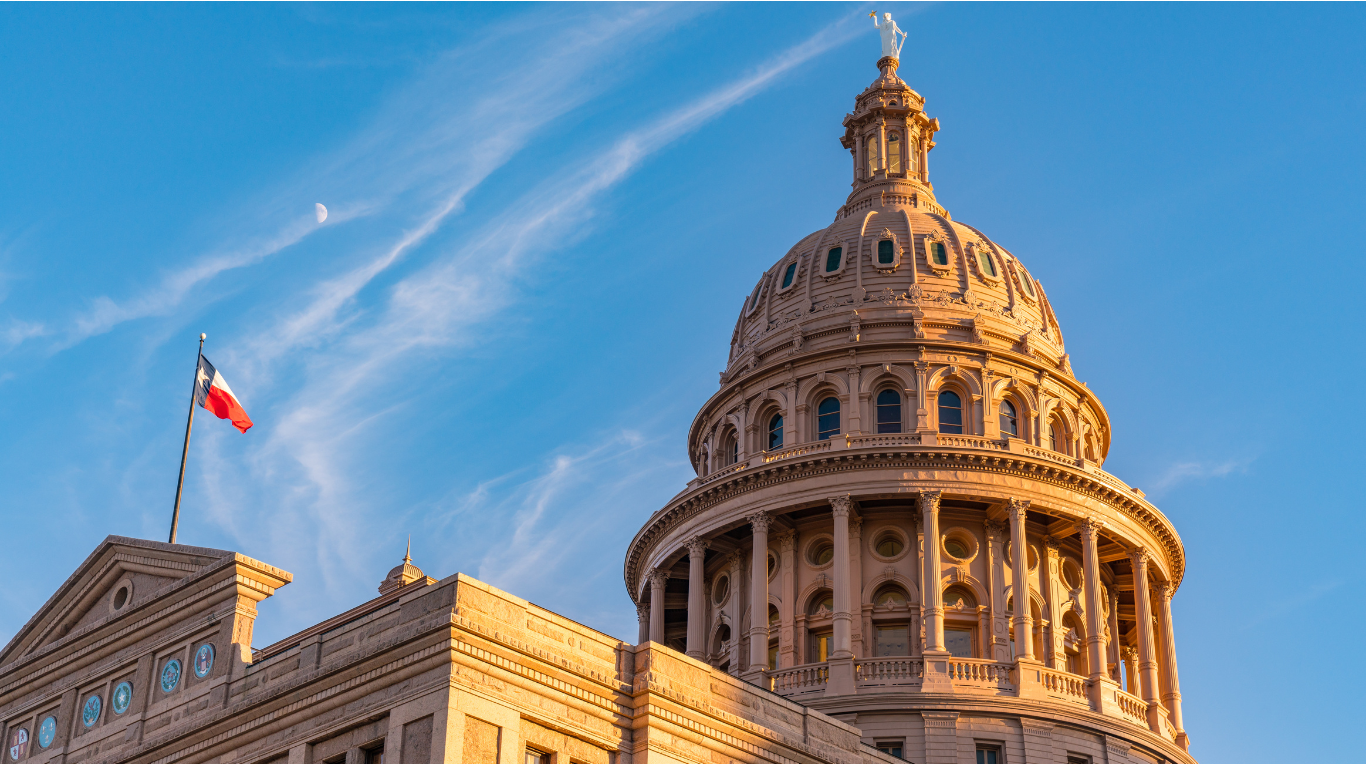
This past Monday, September 1st, three important solar-related laws that we worked on getting passed in the last Texas legislative session went into effect: one on streamlining solar permitting (SB 1202) and two on consumer protection (SB 1697 & SB 1036). SB 1202 allows residential rooftop installers to use certified third parties to review permit applications and make inspections, thereby speeding up the process and helping decrease soft costs that can then be passed on to the consumer, saving them money.
As for the new consumer protection laws, SB 1697 requires the Public Utilities Commission of Texas to develop and periodically update a “transparency and best-practices guide for rooftop solar systems” that will be available online, along with a phone number and email address that consumers can use for further information. SB 1036 requires solar salespeople to undergo criminal background checks and to register with the Texas Department of Licensing and Regulations (TDLR) annually. (See this article on our website for more details.) We have been asked by TDLR to work with the group that will be establishing the rules for licensing.
These laws should do a world of good in allowing homeowners across Texas access solar without the often long wait to get a permit, to inform them of what to look for when getting solar, and to protect them from the unethical salespeople that have been plaguing the state.
Federal Legislation
Regarding the status of the federal tax credits, I wish I could give everyone some solid intel. The Residential Clean Energy Credit, also known as the Section 25D tax credit, has been a 30% federal tax credit available to homeowners who install rooftop solar. As part of the Inflation Reduction Act (IRA), the credit was set to phase out by 2035. But now, with the passage of Congress’s HR1 budget bill, the credit has been eliminated for installations placed in service (“installed”) after December 31, 2025. The question is, what does “installed” mean as far as ensuring a homeowner can collect the tax credit? Does it mean permitted, or “energized”? Bottom line, don’t wait. Pull the trigger now.
As you may have heard, even more recently, the EPA’s Solar for All grant, also a part of the Inflation Reduction Act, was canceled. It was set up to deliver $7 billion in federal grants for residential solar projects to 60 recipients (49 states, six Tribes, and five multistate awards) to provide solar to nearly 1 million households in low- and middle-income communities across the country, providing an estimated savings of $350 million annually on electric bills. TXSES was a participant in the Texas Solar for All Coalition, which was awarded nearly $250 million to deliver residential solar to more than 46,000 low-income and disadvantaged communities and households across Texas (read more here). TXSES had begun working with our partners to bring solar to those communities that need it most when the funding was cut. We will continue are work as best we can, but will require more funding to even make a dent.
Public Utility Commission of Texas
In other updates, we have submitted comments on the interconnection issue at the PUC, which currently requires smaller PV systems (less than 50kW) to be in the same queue as large-scale systems when waiting for interconnection. We believe that these two systems should have their own separate rules. Homeowners should have their own application documents and be able to “jump the line” ahead of large-scale projects since they are simple interconnections. In addition to submitting comments, we have offered to help PUC staff develop new application documents. More to come on this in future news from TXSES.
Looking ahead
Having focused on permitting, consumer protection and interconnection for the past year(s), we think it is now time to think about what the future could hold for TXSES and distributed solar.
As we approach our 50th anniversary next year and think about where we started back in 1976—and that the only solar application in those early years was solar hot water heaters (or solar thermal)—we have to admit that we’ve come a long way.
I believe as we move into the future, and the costs of the technology continue to come down, distributed solar will be less about the environment and more about resiliency, not only for the homeowner, but for the grid as well.
So, what exactly does that look like? Does it mean taking solar plus batteries and aggregating them together? I say, most likely. Does it mean more micro-grids? Most likely. Cheaper and easier to access community solar? Most likely. Do we think new technologies like distributed larger scale solar thermal plus storage can help the larger energy users offset their heating and cooling? Most likely.
As our original charge 50 years ago was to educate the Texas consumer about the value of “going solar,” it’s now time to make a radical shift. Most consumers are aware of distributed solar, so how does TXSES help to bring down costs and overcome regulatory barriers moving into the future? How do we do our part to help the consumer go solar for resiliency purposes as more extreme weather events become more common? How do we work with regulators to entice utilities to pay a fair share to consumers for their contribution to the grid? How do we ensure that consumers facing energy poverty and staggering utility bills, who need solar the most, have access to it? And what impacts will electric vehicles play in the world of distributed solar?
It’s hard to look into a crystal ball and know exactly where the next big opportunities lie, but TXSES plans to be a part of it. To that end, we will be holding a strategic planning session of the board this December and January to discuss how we can best help move distributed solar (plus storage) along the bus.
We are excited to announce that one part of our future plans for certain is that we will be hosting the 2026 conference of the American Solar Energy Society (of which TXSES is a state chapter) in Austin! It will be October 19-21, 2026, at Palmer Auditorium. Details to come!